On this page
- Every iPhone Apple Sells Right Now (October 2026)
- Which iPhone Should You Buy?
- iPhone 17: Best value
- iPhone 18 Pro and 18 Pro Max: Best iPhone overall
- iPhone Duo: The first foldable iPhone
- iPhone Air: The thinnest and lightest
- iPhone 16 and iPhone 17e: The cheapest iPhones
- Should you wait for the iPhone 18?
- Ranking the iPhone Models
- Apple iPhone
- The iPhone 3G
- The iPhone 4
- The iPhone 5
- The iPhone 6 and 6 Plus
- The iPhone SE
- The iPhone 7 and 7 Plus
- The iPhone 8 and 8 Plus
- The iPhone X
- The iPhone 11
- The iPhone 12
- The iPhone 13
- The iPhone 14
- The iPhone 15
- The iPhone 16
- The iPhone 17 and iPhone Air
- The iPhone 18 Pro and iPhone Duo
- Some of the best iPhones that Apple no longer sells!
- Additional Considerations
- Conclusion
- FAQs
The great thing about the iPhone models is that it changed how phones work. The iPhone introduced new technologies that had never been seen before regarding how they worked. It also introduced a new type of user interface that made mobile internet browsing more enjoyable, among other things. The multitouch interface, soft keyboard, and visual voicemail on the first iPhone were some of the best things about it. Plus, everyone else had one!
There are two main reasons for the iPhone’s huge popularity: how well it fits into users’ lives and how often it gets new versions. With so many things they can do on one device, iPhones have become like extensions of people who own them. Besides that, the iPhone models always made sure to keep up with the times by adding new features and updating to keep up with technological changes. This way, each new model is better than the last.
Every iPhone Apple Sells Right Now (October 2026)
Apple sells six iPhone models in the US as of October 29, 2026. Here they are, from most to least expensive. Prices are Apple's US starting prices, checked on apple.com that day.
| Model | Price (Starting) | Screen | Chip | Rear Cameras | Base Storage | Unlock |
|---|---|---|---|---|---|---|
| iPhone Duo | $1,999 | 7.6″ inside, 5.4″ outside (foldable) | A20 Pro | 48MP Main + 48MP Ultra Wide | 256GB | Touch ID |
| iPhone 18 Pro Max | $1,299 | 6.9″ ProMotion | A20 Pro | 48MP Main + Ultra Wide + Telephoto | 256GB | Face ID |
| iPhone 18 Pro | $1,199 | 6.3″ ProMotion | A20 Pro | 48MP Main + Ultra Wide + Telephoto | 256GB | Face ID |
| iPhone Air | $1,099 | 6.5″ ProMotion | A19 Pro | 48MP Main | 256GB | Face ID |
| iPhone 17 | $899 | 6.3″ ProMotion | A19 | 48MP Main + 48MP Ultra Wide | 256GB | Face ID |
| iPhone 16 | $799 | 6.1″ | A18 | 48MP Main + Ultra Wide | 128GB | Face ID |
| iPhone 17e | $699 | 6.1″ | A19 | 48MP Main | 256GB | Face ID |
Sources: Apple's iPhone tech specs pages and the US Apple Store, checked October 29, 2026. Apple no longer sells the iPhone 17 Pro, 17 Pro Max, iPhone 16 Pro or any iPhone SE.
Which iPhone Should You Buy?
iPhone 17: Best value
From $899 | Released September 2025
For most people, this is the one. The iPhone 17 got the features that used to be Pro-only: a 6.3-inch ProMotion display that runs at up to 120Hz, a 48MP ultra wide camera to go with the 48MP main camera, and 256GB of storage as standard. It runs the A19 chip, has Camera Control and the Action button, and weighs 6.24 ounces (177 grams).
What you give up against the 18 Pro: the telephoto camera, the newer A20 Pro chip, and some battery life. If you mostly take photos of people and places, not distant subjects, you will not miss much.
iPhone 18 Pro and 18 Pro Max: Best iPhone overall
From $1,199 (6.3-inch) and $1,299 (6.9-inch) | Released September 18, 2026
Apple announced the iPhone 18 Pro and 18 Pro Max on September 9, 2026. They are the best iPhones you can buy that do not fold:
- A20 Pro chip with a new vapor chamber, so it holds its speed for longer in games and video exports.
- 48MP Fusion Main camera with variable aperture, from ƒ/1.48 for low light to ƒ/4 for more of the scene in focus, plus 48MP ultra wide and 48MP telephoto cameras.
- Longest iPhone battery life: up to 36 hours of video playback on the Pro and 45 hours on the Pro Max (eSIM models, Apple's figures).
- Smaller Dynamic Island that can show three Live Activities at once, and Apple's C2 modem.
- Colors: black, silver, glacier and a new burgundy. Storage starts at 256GB.
Pick the Pro Max if you want the biggest screen and the most battery. Otherwise the Pro does everything the Max does in a smaller body (7.44 ounces against 8.78).
iPhone Duo: The first foldable iPhone
From $1,999 | Released October 23, 2026
The iPhone Duo is Apple's first foldable. It opens from a 5.4-inch phone into a 7.6-inch, almost tablet-sized screen, and it runs the same A20 Pro chip as the 18 Pro.
- Two screens: 5.4-inch outside and 7.6-inch inside, both with ProMotion and up to 3,000 nits outdoors.
- Thin: 5.2 mm open and 11.3 mm folded, 254 grams.
- Touch ID in the side button instead of Face ID, and a FaceTime camera hidden under the inner screen.
- Two 48MP rear cameras (main and ultra wide), but no telephoto.
- IP68 water resistance, a titanium frame and storage up to 2TB.
It is the most expensive iPhone by $700, and it is a first-generation design. Buy it if you want one device for reading, video and multitasking. If you mainly want the best camera, the 18 Pro is better and cheaper. For a wallpaper that fits both screens, see our phone wallpaper sizes guide.
iPhone Air: The thinnest and lightest
From $1,099 | Released September 2025
The iPhone Air is the one to get if weight matters most. It has a 6.5-inch ProMotion display and the A19 Pro chip, and weighs just 5.82 ounces (165 grams). The trade-off is the camera: there is only one 48MP rear camera, and battery life is shorter than the iPhone 17's. It now costs $200 more than the iPhone 17, which is hard to justify unless you really want the thinnest iPhone.
iPhone 16 and iPhone 17e: The cheapest iPhones
iPhone 17e from $699 | iPhone 16 from $799
Get the iPhone 17e if you want the cheapest new iPhone. It has the A19 chip, a 6.1-inch screen, a single 48MP camera, Face ID, MagSafe and 256GB of storage. Its screen runs at 60Hz and it has no ultra wide camera.
The iPhone 16 costs $100 more, adds an ultra wide camera and Camera Control, but has the older A18 chip and only 128GB of storage. For most people, the 17e is the better buy, and the iPhone 17 is worth the extra $200 over either.
Should you wait for the iPhone 18?
Apple launched only the Pro models and the Duo in September 2026; there is no standard iPhone 18 yet. If you want a non-Pro iPhone and can wait a few months, a new model may arrive in 2027, but Apple has not announced one. If you need a phone now, the iPhone 17 is a safe buy.
Ranking the iPhone Models
It used to be easier to choose an iPhone: just get the newest one with as much storage as you can afford. Now Apple sells six different models, from the $699 iPhone 17e to the $1,999 iPhone Duo, and refurbished older models are still widely available. Here is every iPhone generation, from the original to the foldable, and what each one changed:
Apple iPhone
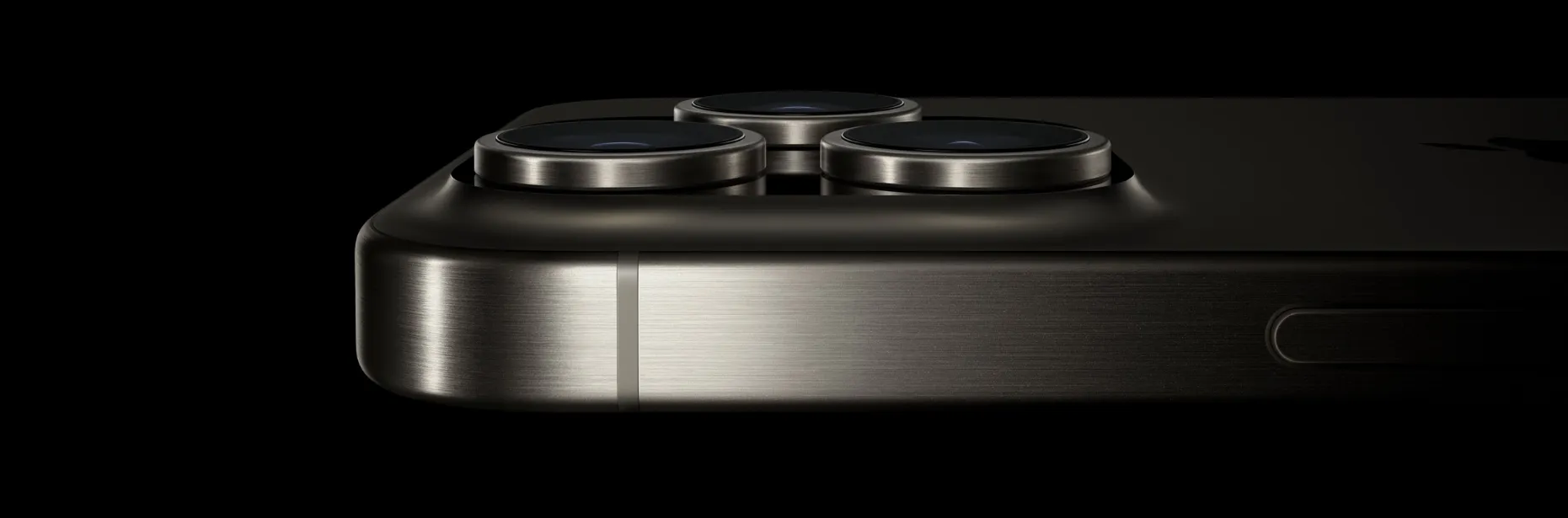
The OG iPhone shows how the phone came to be, which is still very impressive. It was Apple’s first mobile device. It had a 3.5-inch screen, was 11.6 mm thick, had 128 MB of memory, and 16 GB of storage. Surprisingly, that much storage space was huge at the time, though it may not seem like much now that you look at how much space iPhone models have.
In terms of features, the phone didn’t have 3G. Instead, it had quad-band GSM with GPRS and EDGE, a 2MP camera, and a touchscreen instead of a keyboard. Right now, $599 seems like a very small amount of money to pay for something. The phone was supposed to be the first in a long line of similar devices. At the time, it was seen as a new take on the traditional cell phone, and the market for these devices would only keep growing.
Release date: June 29, 2007
US launch price: USD 499 (4GB), USD 599 (8GB)
The iPhone 3G
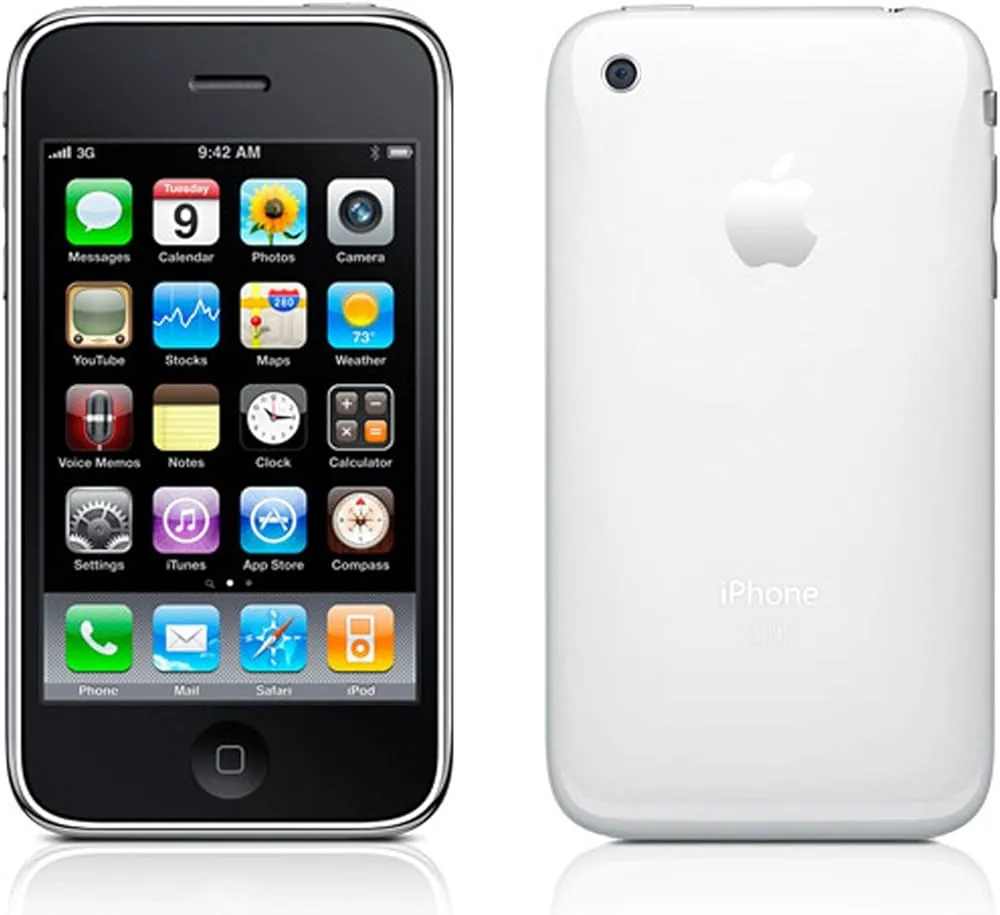
After the iPhone 4, the iPhone 3G came out next. A lot of the outside design didn’t change, but the iPhone model’s biggest improvement was that it could connect to 3G mobile data. The iPhone 3G had a lot of the same software as the iPhone models. It’s safe to say that this was the iPhone that made cell phones popular and necessary.
The iPhone 3G had a 3.5-inch screen, a 2MP camera, and 128MB of memory. It was 12.3 mm thick. After all the hype, it seemed like everyone loved it just as much as they thought they would. In its first weekend on sale, a million units sold, at $199 with a two-year carrier contract, setting the standard for future iPhone models. The next model would be the 3GS, where “S” stands for “speed,” and it would have better performance, a three-megapixel camera with better resolution and video recording, and voice control.
Release date: July 11, 2008
US launch price: USD 199 (8GB) and USD 299 (16GB) with a two-year contract
The iPhone 4
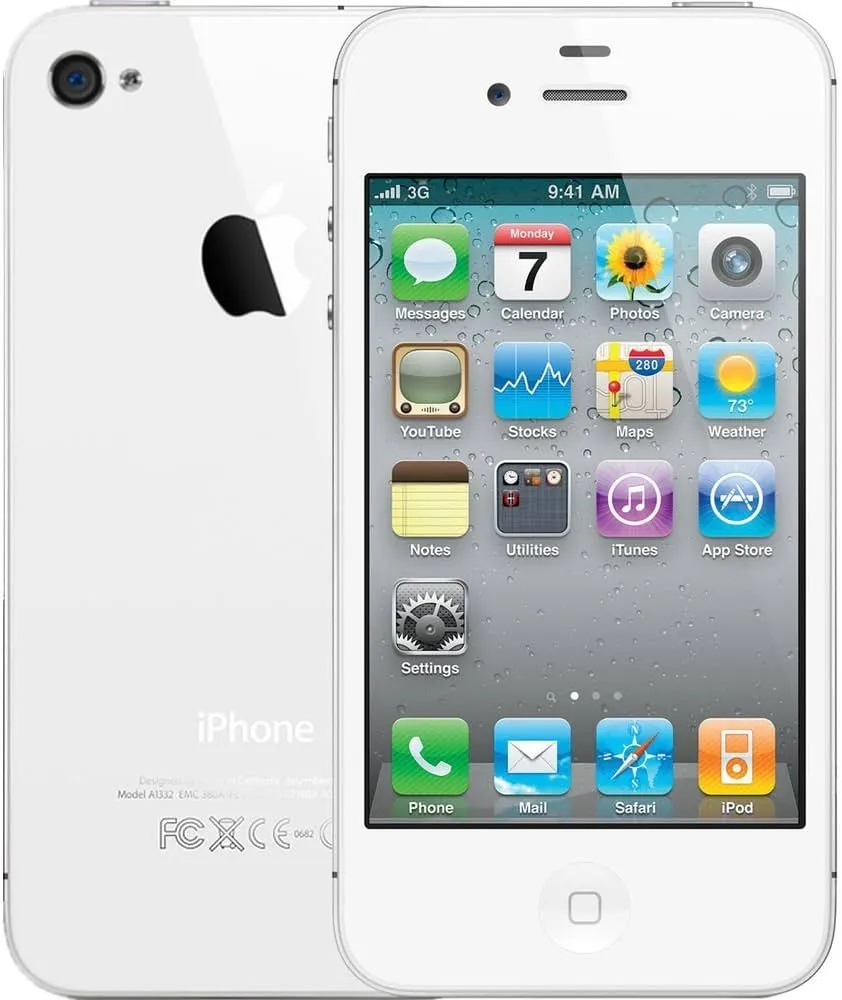
After the iPhone 3GS came out, two years later, the iPhone 4 came out. It was a huge hit all over the world because it was so fast, faster than any old cell phone had ever been. Apple made the speed faster by increasing both the CPU and the memory on the phone. Aside from this, its design was mostly the same as the two that came before it, with a few small differences.
It was the first iPhone model to use an Apple processor, the Apple A4, and updated features like a better camera (from 2MP to 3MP) and 480P video were included. This did a great job of getting people interested in the new iPhone models. It was one of the best-selling phones of its time, selling millions of units for the same price as the iPhone 3G.
Release date: June 24, 2010
US launch price: USD 199 (16GB) and USD 299 (32GB) with a two-year contract
The iPhone 5
In 2011, the iPhone 4s came out, and then the iPhone 5. We bet that at least one of your friends still has this phone today. There were some pretty big changes and updates compared to the iPhone 4s when it first came out, even though it looked the same. It was less thick and lighter, and it was also the first iPhone model to work with 4G LTE.
Plus, the new A6 processor it ran on made it faster, which was another plus. It had 4 inches of screen, 1 GB memory, lightning connectors, slow-motion video recording, dual flash, touch ID, and an 8 MP camera. Interestingly, 2 million pre-orders were placed in the first 24 hours after it came out, and it sold 5 million units in its first week. The 5C and 5S, two newer versions of this model, came out in September 2013, about a year later.
Release date: September 21, 2012
US launch price: USD 199 with a two-year contract (USD 649 unlocked)
The iPhone 6 and 6 Plus
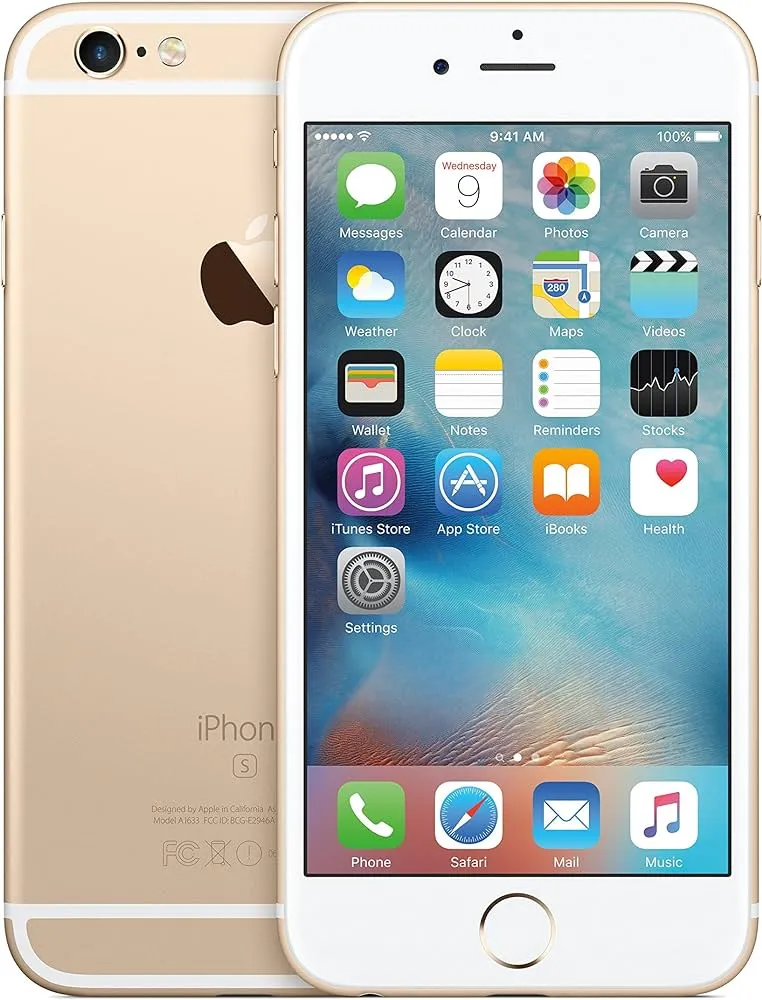
The iPhone 6 and 6 Plus were one of the most noticeable changes to the way an iPhone looks since the iPhone 4 got a new design update. With a 5.5-inch 1080p display, they were the biggest phones Apple had ever made to date. This meant that the 4-inch iPhone model option was no longer available. We remember how shocked we were at the time!
Other features included a Retina HD display, 128 GB of storage, 4.7-inch (iPhone 6) and 5.5-inch (iPhone 6 Plus) displays, a 12MP camera, and 2GB of memory. These phones were technologically better than their iPhone 5 counterparts in every way. Because of this, the iPhone 6 and iPhone 6 Plus are still some of Apple’s most popular phones ever.
Release date: September 19, 2014
US launch price: USD 649 for the iPhone 6, USD 749 for the iPhone 6 Plus (unlocked)
The iPhone SE
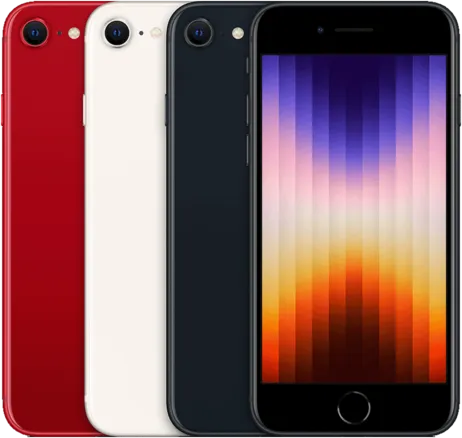
When it came out in 2016, the first iPhone SE, it quickly became the favourite iPhone of millions of Apple fans. It was a step down for Apple after the iPhone 6 and 6 Plus, which were the biggest iPhones to date. This much smaller, more compact iPhone model was the next step down. Plus, it was less expensive and had many of the same features as the more expensive ones.
Release Date: 31 March 2016
US launch price: USD 399 for the first generation, USD 429 for the third generation (2022)
The iPhone 7 and 7 Plus
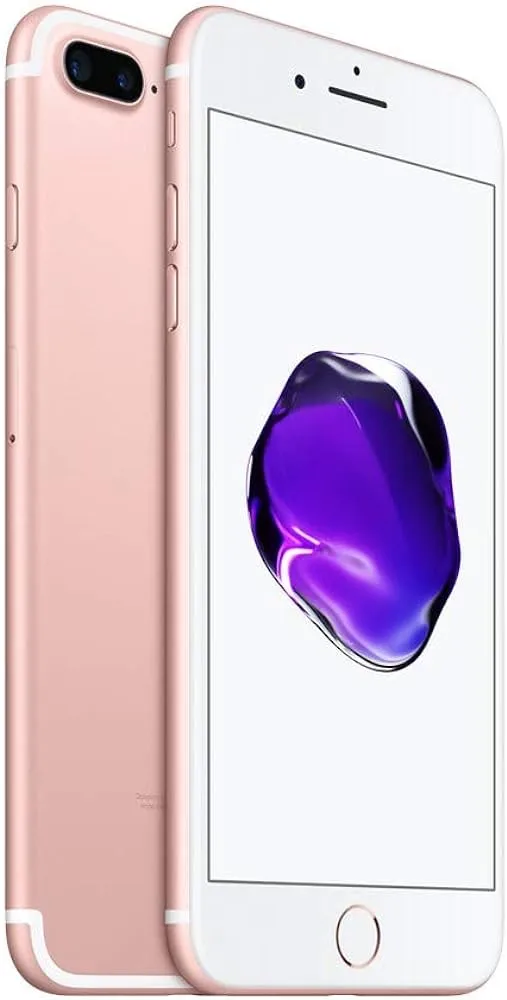
When the iPhone 7 and 7 Plus came out, things changed in a big way. This iPhone model had some significant improvements despite using the same CPU, Apple’s A10 Fusion. As part of these updates, there was a new jet-black colour, a 16GB base option, 32GB and 256GB storage, and the first dual-lens camera with OIS and 2X optical zoom.
The headphone jack was taken out so that EarPods and a wireless converter could be used instead of earbuds. We won’t lie and say this didn’t bother some people (including us) at the time, but the iPhone models were still a huge success, selling millions of units.
Release date: September 16, 2016
US launch price: USD 649 for the iPhone 7, USD 769 for the iPhone 7 Plus
The iPhone 8 and 8 Plus
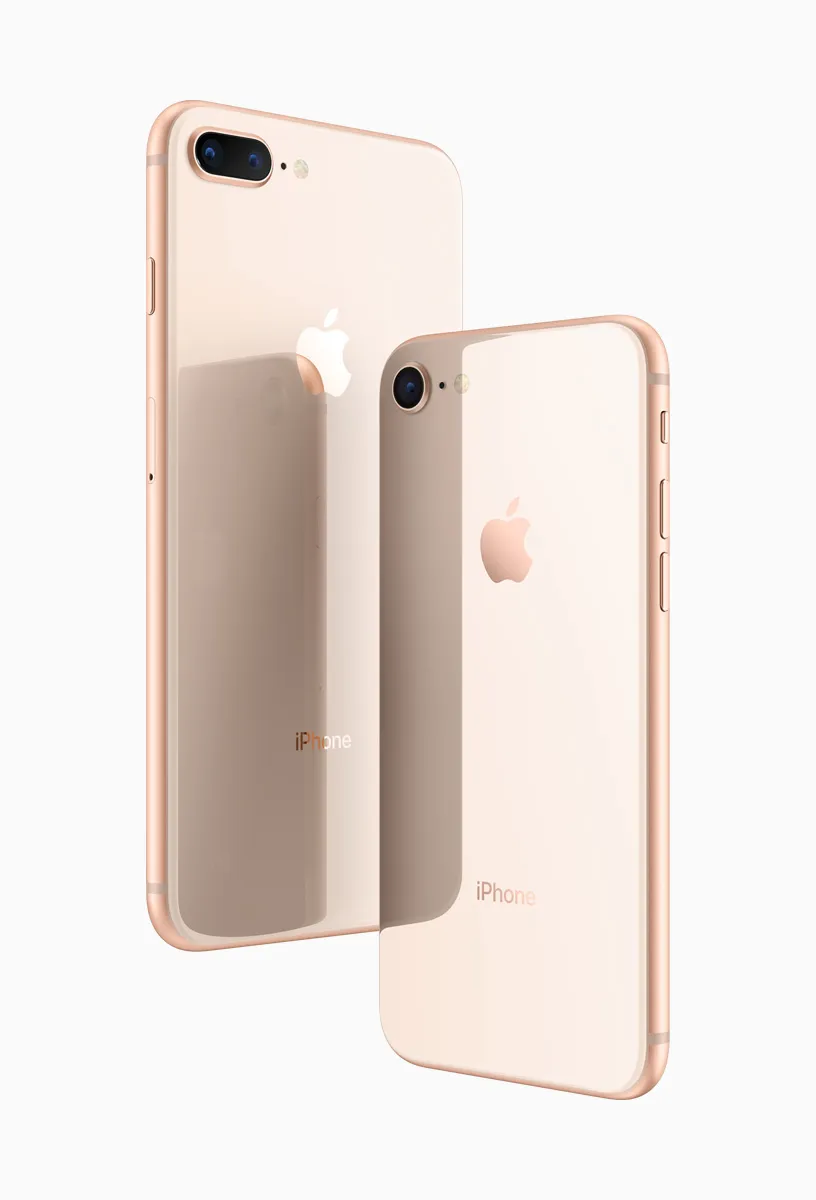
With the release of the iPhone 8 and iPhone 8 Plus, not much changed, except some minor aesthetic and user-experience improvements like the glass cover on the back of the phone, wireless charging, and photo editing and photo filtering. Along with this, the phone’s software had some small improvements, like a slightly faster CPU and a better true-tone display.
Release date: September 22, 2017
US launch price: USD 699 for the iPhone 8, USD 799 for the iPhone 8 Plus
The iPhone X
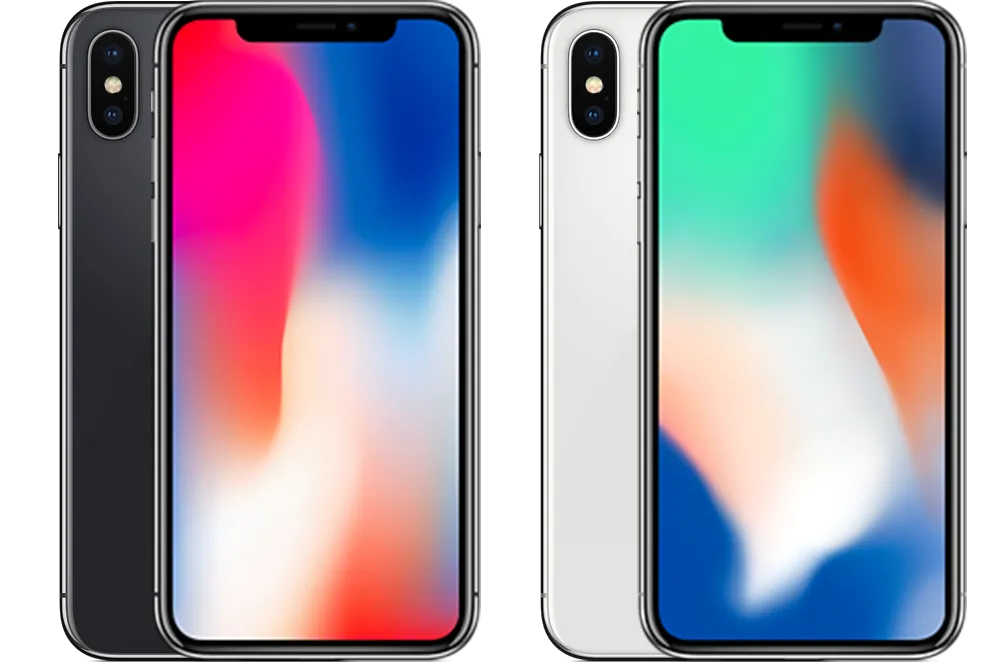
After 10 amazing years of the iPhone models, Apple released a letter, X, instead of a number. At the time, if this wasn’t enough to get people excited, the big changes certainly were. The iPhone X from Apple looked and had cool new features that made it stand out.
The iPhone X got rid of the home button and replaced it with Face ID. It also has portrait mode and an extra camera on the front. The iPhone XR, the iPhone XS and XS Max with Super Retina HD displays, and a few others were all like this. It costs a lot for this huge step forward in phone technology.
Release date: November 3, 2017
US launch price: USD 999
The iPhone 11
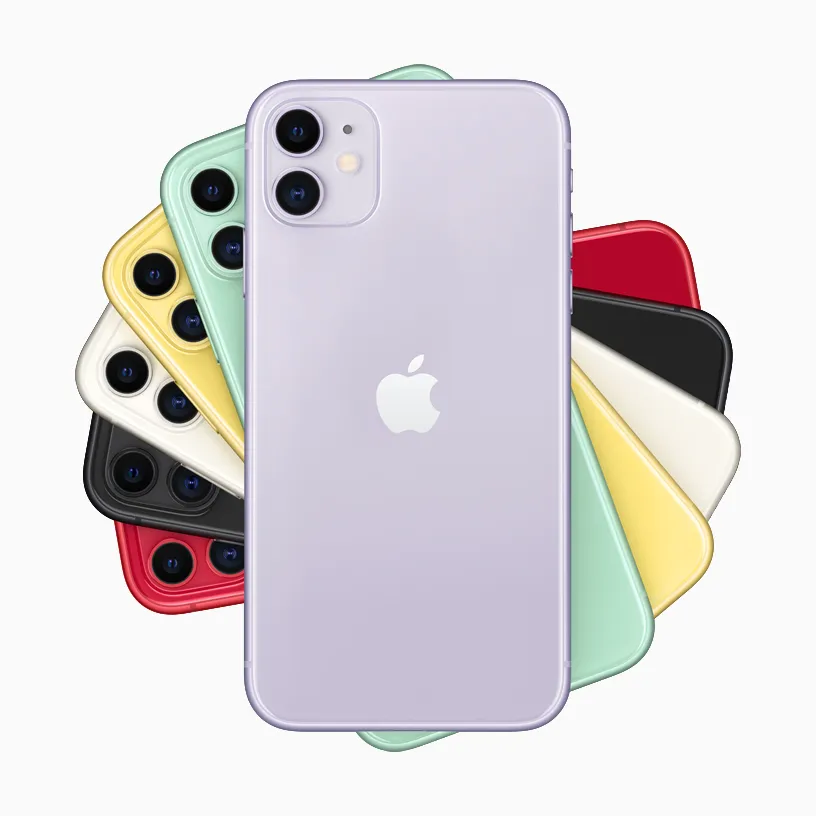
The iPhone 11 came in several iPhone models, such as the 11 Pro and 11 Pro Max. It was also less expensive than its predecessor, which was another reason why it was so popular. A Super Retina XDR display and triple-lens cameras were some new features. The cameras also worked better. The phones had Apple’s A13 chipset, which is a very powerful SoC. This made people love the iPhone 11 even more.
Release date: September 20, 2019
US launch prices: iPhone 11 USD 699, iPhone 11 Pro USD 999, iPhone 11 Pro Max USD 1,099
The iPhone 12
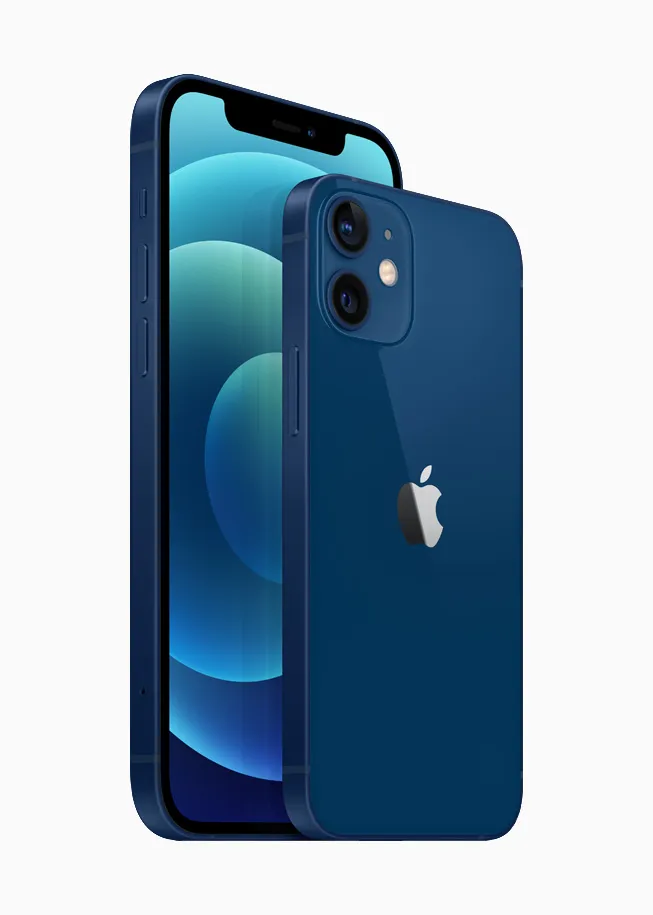
The iPhone 12 is the next model in the line of iPhone models. New and cool things were added to the iPhone 12 and iPhone 12 mini. They had edge-to-edge Super Retina XDR displays and a new Ceramic Shield cover. The camera got another update: a dual-camera system with an Ultra-Wide camera and a new Wide camera that could shoot HDR video on Dolby Vision. At the time, this gave the phone the best video quality of any smartphone. It was also the first iPhone model that could connect to 5G networks, which was another first.
Release date: October 23, 2020
US launch prices: iPhone 12 mini USD 699, iPhone 12 USD 799, iPhone 12 Pro USD 999, iPhone 12 Pro Max USD 1,099
The iPhone 13
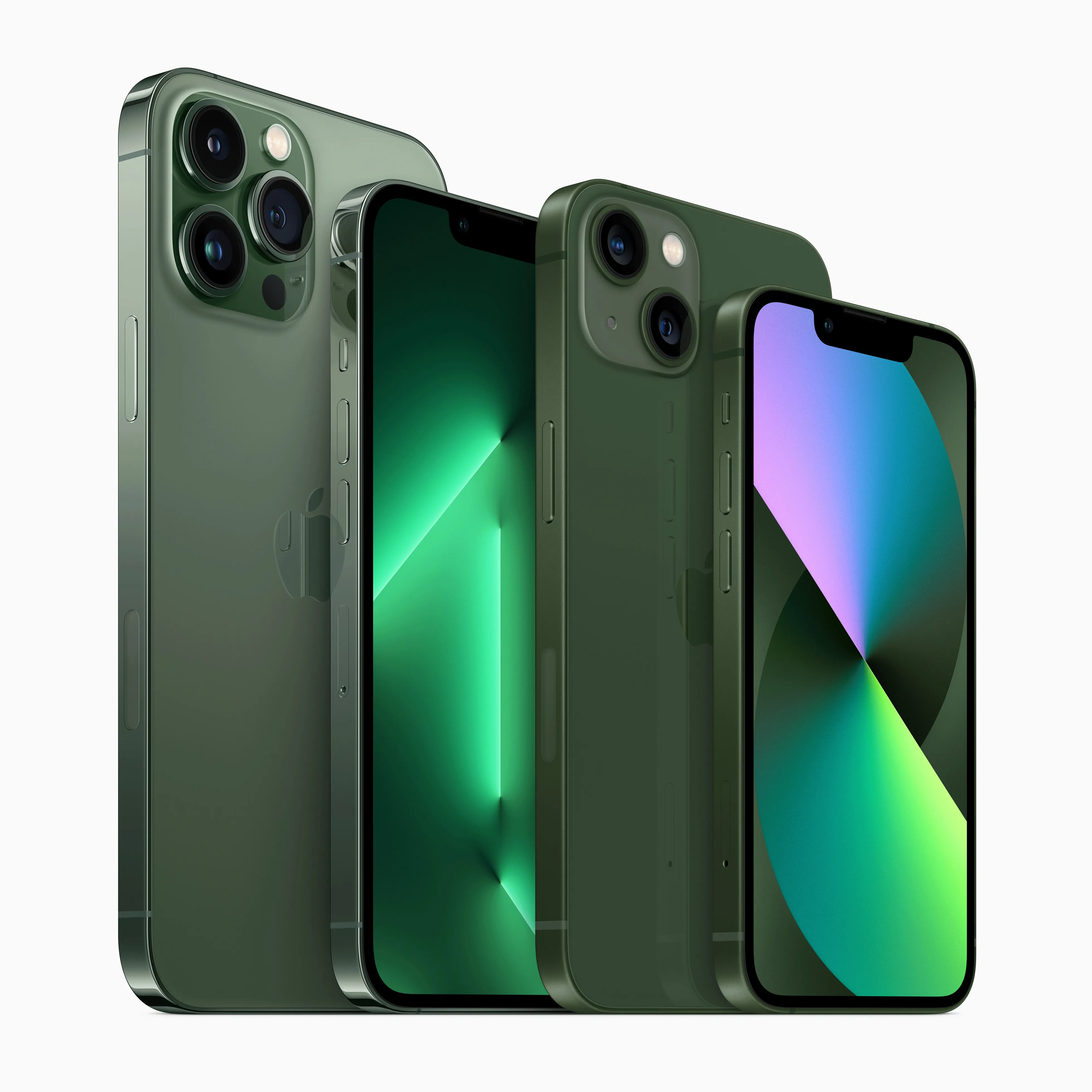
The iPhone 13 came out along with the iPhone 13 mini, the iPhone 13 Pro, and the iPhone 13 Pro Max. The design was pretty much the same, but there were some new colour options. On the inside, it was a bit smaller and had a lot of big changes to date. This model probably had the thing we liked most about it: a better camera, a new processor, and a better battery.
US launch prices: iPhone 13 mini USD 699, iPhone 13 USD 799, iPhone 13 Pro USD 999, iPhone 13 Pro Max USD 1,099
Release date: September 24, 2021
The iPhone 14
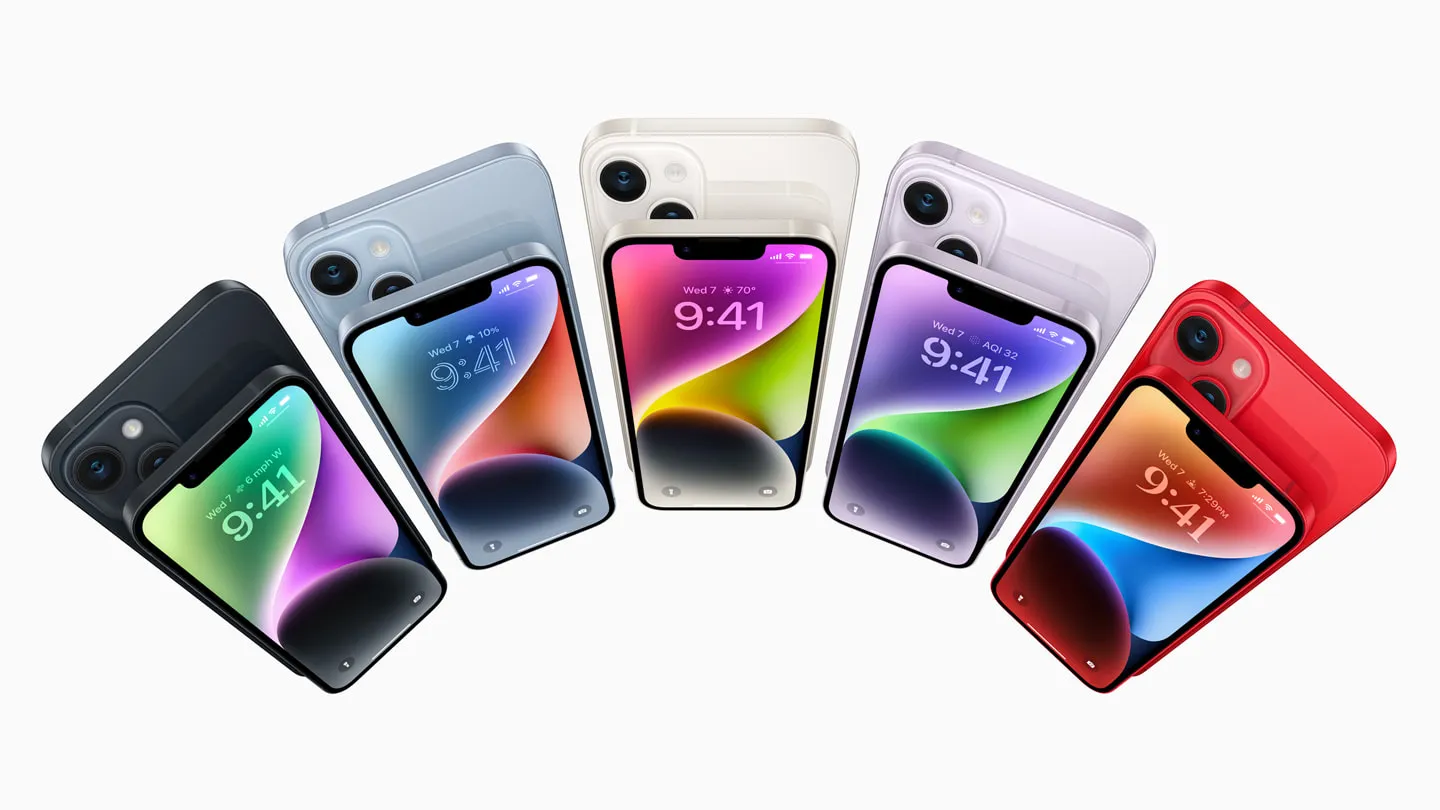
On Friday, September 16, 2022, Apple released the iPhone 14. It had a new chipset, camera, and “dynamic island” in the Pro iPhone models to replace the notch. To everyone’s surprise, the price of the iPhone 14 didn’t change from the same iPhone models in the iPhone 13.
The iPhone 14 lineup also dropped the mini and added the 6.7-inch iPhone 14 Plus. Apple no longer sells any iPhone 14 model new.
US launch prices: iPhone 14 $799, iPhone 14 Plus $899, iPhone 14 Pro $999, iPhone 14 Pro Max $1,099
Release date: 16 September, 2022
The iPhone 15
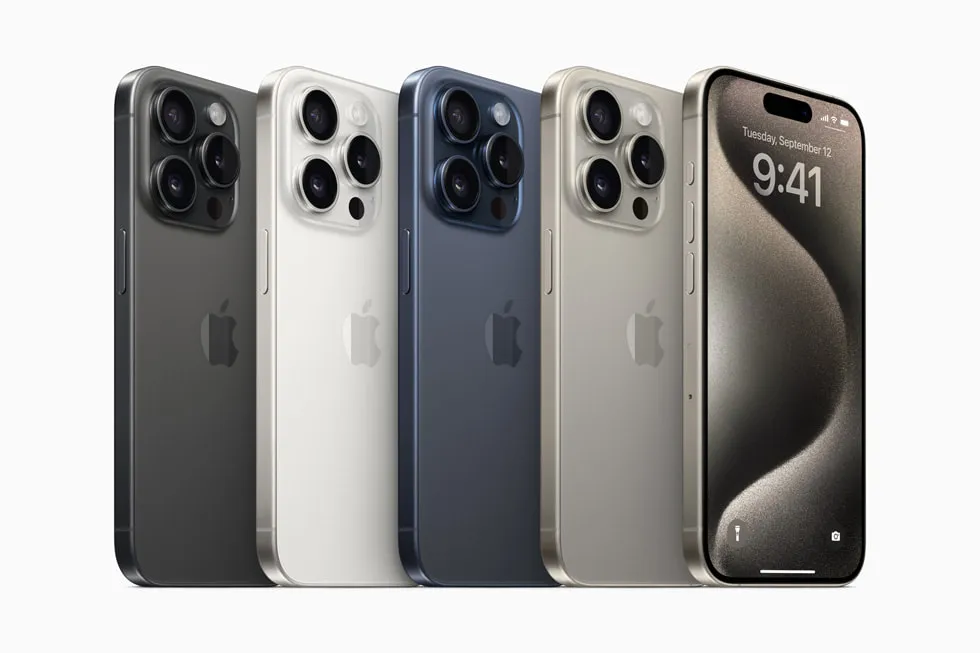
When the iPhone 15 and 15 Pro came out on September 22, 2023, they were the first Apple phones to have USB-C ports. Only the Pro Max got more expensive, up USD 100 to USD 1,199.
Apple took the improvements over the iPhone 14 to a whole new level by giving the Pro iPhone models a Titanium body and a new action button. The new A17 Pro chip was put in the Pro and Pro Max, but the A16 Bionic chip from the iPhone 14 was kept in the regular iPhone models. Peak brightness outside was raised to 2000 nits, which is twice as bright as the previous generation. New “Voice Isolation” technology made phone calls sound better on both the Pro and standard iPhone models.
Both model grades now have cameras with 48MP sensors instead of 24MP sensors by default. Night Mode and Smart HDR have also been improved. The Pro models also have Log encoding for professional video and the ability to connect an external hard drive while shooting so that these huge files can be stored. Finally, and most importantly, the Pro Max was the only one to get 5x optical zoom and the ability to record “Spatial Video,” which is a three-dimensional video that will be used with Apple Vision Pro in the future.
US launch prices: iPhone 15 $799, iPhone 15 Plus $899, iPhone 15 Pro $999, iPhone 15 Pro Max $1,199
Release date: 22 September, 2023
The iPhone 16
The iPhone 16 lineup (September 2024) added Camera Control, a new button for the camera, and the Action button on every model. It was also the first iPhone generation built for Apple Intelligence. The Pro models grew to 6.3 and 6.9 inches. The iPhone 16 (A18 chip) is still on sale at $799; the iPhone 16e, a cheaper model with one camera, followed in early 2025.
Release date: 20 September, 2024
The iPhone 17 and iPhone Air
In September 2025 the standard iPhone 17 finally got a 120Hz ProMotion display, a 48MP ultra wide camera and 256GB of storage as standard. Apple also added the iPhone Air, a 6.5-inch model that weighs just 165 grams, in place of the Plus. The iPhone 17 Pro and 17 Pro Max followed with the A19 Pro chip. The cheaper iPhone 17e arrived in 2026. Today the iPhone 17 sells from $899, the Air from $1,099 and the 17e from $699.
Release date: September 2025
The iPhone 18 Pro and iPhone Duo
Apple announced the iPhone 18 Pro, 18 Pro Max and its first foldable, the iPhone Duo, on September 9, 2026. All three use the A20 Pro chip. The 18 Pro models added a variable-aperture main camera and the longest battery life of any iPhone; the Duo folds open from 5.4 inches to 7.6 inches. There is no base iPhone 18 yet.
US prices: iPhone 18 Pro $1,199, iPhone 18 Pro Max $1,299, iPhone Duo $1,999
Release dates: 18 September, 2026 (18 Pro and Pro Max); 23 October, 2026 (iPhone Duo)
Some of the best iPhones that Apple no longer sells!
If you find one at a good refurbished price, the iPhone 17 Pro and 17 Pro Max are still excellent: they have the telephoto camera the iPhone 17 lacks and will get iOS updates for years. The iPhone 16 Pro is a good cheaper alternative. If you want a small iPhone, an iPhone 13 mini is the last option but it is now five years old. Apple Certified Refurbished phones come with a full one-year warranty.
Additional Considerations
Before purchasing an iPhone, there are a few extra things you might want to think about to make sure the device fits your requirements and tastes. Here are some things to think about:
- Budget: Set a budget and look at the iPhone models that are in that range. Think about not only the initial cost but also possible extra costs like AppleCare and accessories.
- Storage Capacity: Based on how you usually use it, figure out how much storage you need. You might need more space if you take a lot of photos and videos or download a lot of apps.
- Model and Size: Pick the model and size of the iPhone that works best for you. There are different sizes of iPhones, from the 6.1-inch iPhone 17e to the 6.9-inch iPhone 18 Pro Max and the folding iPhone Duo. Think about things like how portable you want it to be and what size screen you want.
- Camera Features: If photography is important to you, look at how the cameras on different iPhone models compare. Most of the time, camera systems on higher-end models are better.
- Battery Life: What kind of battery life does the iPhone you want have? Think about how you normally use it and whether the battery life is enough for the whole day.
- Compatible with iOS: Make sure that the iPhone you’re thinking about can handle the newest iOS updates. Apple regularly sends out updates that include security patches, new features, and improvements.
- Connectivity: Make sure that the iPhone can connect to the networks you need it to, like Wi-Fi, Bluetooth, and cellular networks.
- Accessories and Ecosystem: Think about the available accessories and the Apple ecosystem. There is a way for these devices to work better together if you already have other Apple products like a MacBook, iPad, or Apple Watch.
- Services from Apple: Check out Apple’s services, like iCloud, Apple TV+, and Apple Music. Some services may offer bundles that make them more valuable.
- Future Updates: Think about how long the device will last. Apple usually releases software updates every few years, but updates for newer models happen for a longer time.
- Reviews and User Feedback: To get an idea of how the iPhone model you’re interested in works and what people think about it, read reviews from reliable sources and look at user feedback.
- Value for Money: Most of the time, iPhones can be sold for a good price. Think about how well the model holds its value if you want to upgrade in the future.
Taking the time to think about these things can help you make an informed choice and pick an iPhone that fits your needs and preferences.
Conclusion
Apple's iPhone lineup now runs from the $699 iPhone 17e to the $1,999 iPhone Duo. For most people, the iPhone 17 ($899) is the best balance of price and features. Buy the iPhone 18 Pro or 18 Pro Max if you want the best camera and battery life, the iPhone Duo if you want a folding screen, and the iPhone 17e if you want the cheapest new iPhone. Whatever you pick, consider your budget, storage needs, screen size and how long you plan to keep it, and check our guide to customizing your iPhone home screen once it arrives.
FAQs
What iPhone model should I buy?
How much storage do I need?
Is it better to buy the latest model or an older one?
Should I buy from Apple or a carrier?
What about refurbished or second-hand iPhone models?
Do I need AppleCare+?
When do new iPhone models come out?
What accessories do I already have that will work with my new iPhone?
Is it worth waiting for a sale or promotion?
How long will my iPhone receive software updates?

I write as a writer, as someone very familiar with the Internet, as someone who is completely at ease with current technology and the way it is transforming the social fabric of the globe, the business world in particular.